THE BUILDINGS · PIONEER HISTORY
The Heritage Building
A sandstone schoolhouse, a community’s determination, and a remarkable collection of pioneer life.
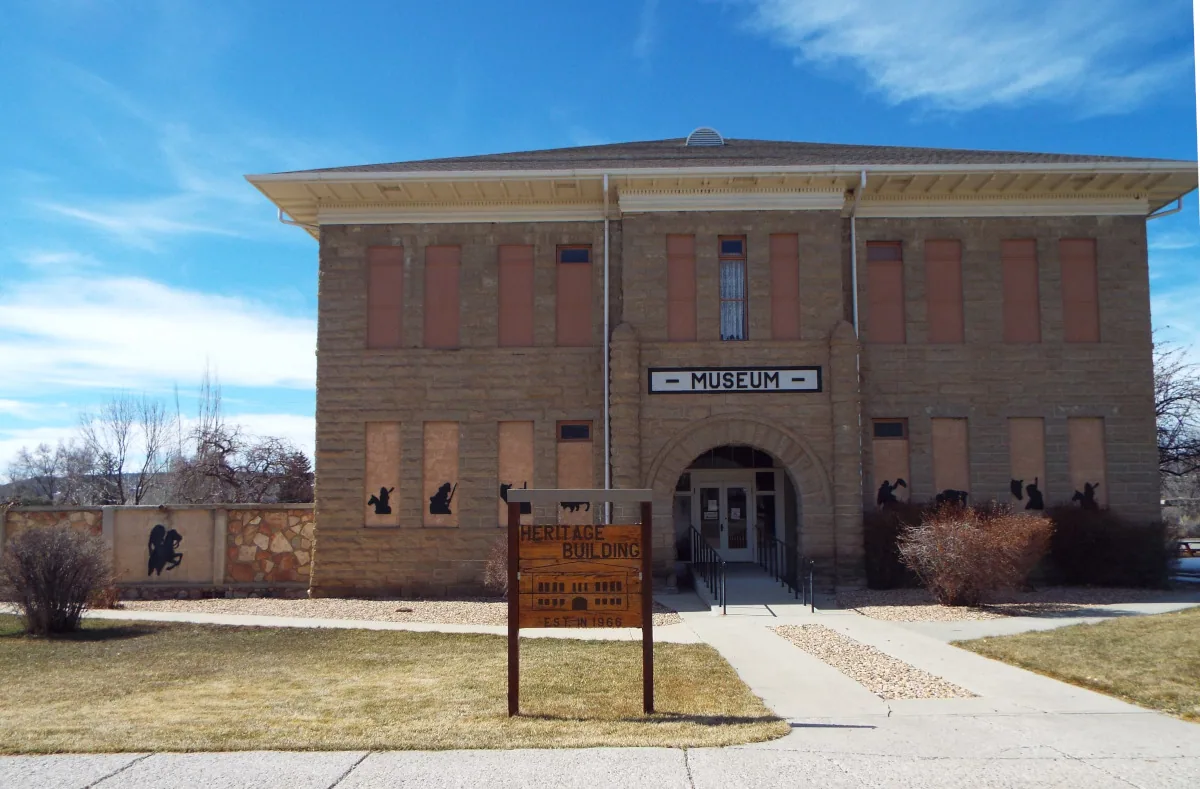
1900Built as school
1966Museum founded
9Galleries
4Dioramas
From schoolhouse to museum.
Built in 1900, the sandstone elementary school educated generations of Fairview children. After the school closed, the community debated whether to preserve the landmark. Sculptor Avard Fairbanks leased the building in 1962 as a workshop and gallery.
After a period of uncertain ownership and plans, Golden Sanderson, Lyndon Graham, and fellow citizens helped preserve the building and its art. The Fairview Museum Corporation was formed in 1966, and the Heritage Building became its original home.
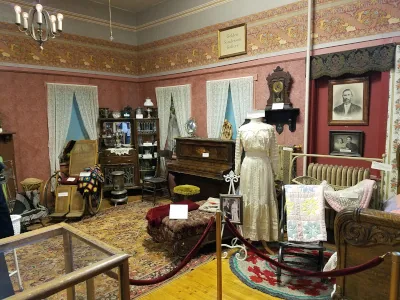
Today it holds more than 2,000 artifacts reflecting early life in the Sanpete Valley, as well as sculpture, miniatures, portraits, and historical scenes.
THE COLLECTIONS
Peek inside the galleries.
Photographs of the actual displays. Gallery locations by floor will be added after the floor-plan sketches are available.
Graham Gallery of Miniatures
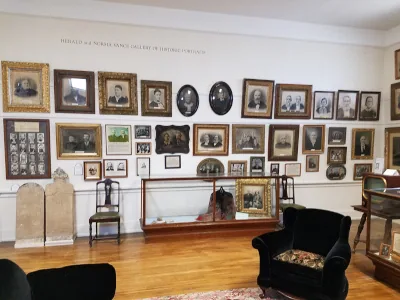
Vance Gallery of Historical Portraits
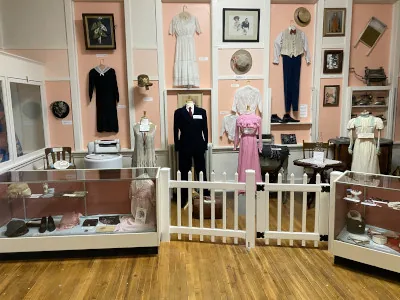
Gallery of Fashion
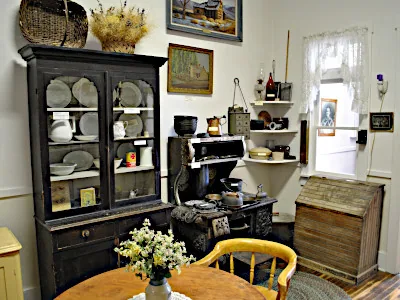
Kitchen Gallery
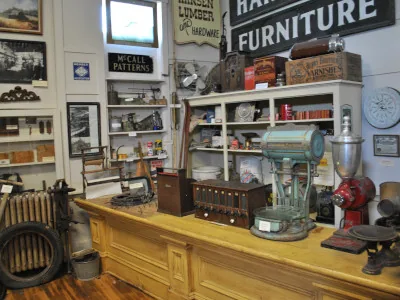
Industry & Commerce Gallery
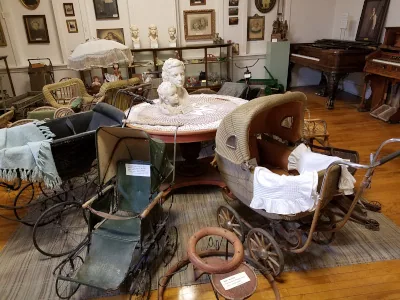
Children’s Gallery
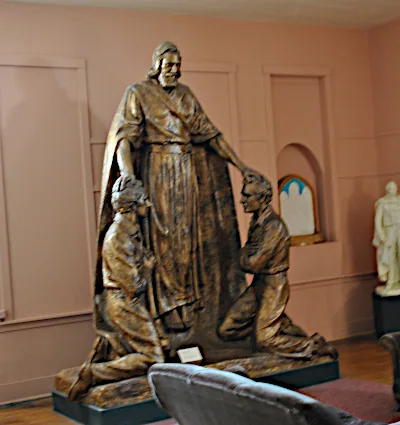
Fairbanks Gallery of Sacred Sculpture
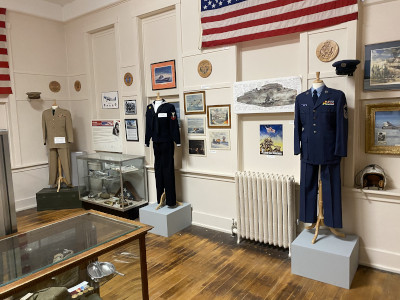
Military Gallery
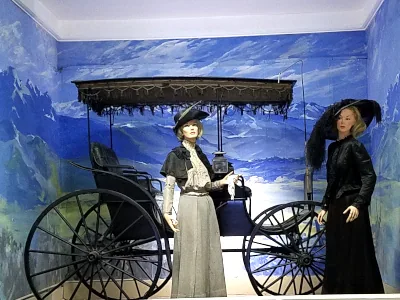
FOUR DIORAMAS
Little worlds, rich in detail.
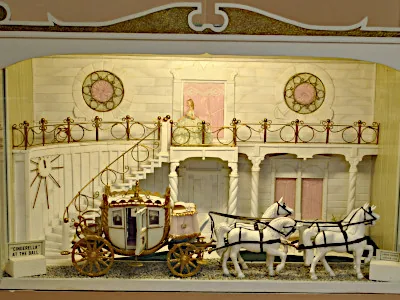
Explore four dioramas created by artist Max Blain, each a window into historical scenes and craftsmanship.
CURIOSITIES & LOCAL LEGENDS
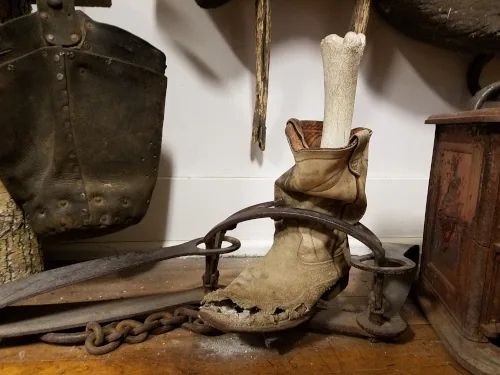
The Bone in the Boot.
An old boot caught in a trap, with a leg bone protruding, became a local sensation. Though newspaper stories and speculation spread about its origin, the exhibit began as a Halloween prank made by museum volunteers in the 1960s.
Today it is celebrated as both local history and a work of playful art.
Other stories include reports of mysterious sounds in the former school, and surviving chalk drawings made by an artistically gifted principal.
Read the 2021 Heritage Building ghost-story article ↗The National Shrine to Love and Devotion
Peter and Celestia Peterson, noted for their 82-year marriage, were featured in Life magazine in 1958. Both died in 1960. Avard Fairbanks sculpted a larger-than-life tribute in 1961, and it was placed in the Heritage Building in 1962. The work was later designated the National Shrine to Love and Devotion.